Victory at Hand
Thursday, September 12, 1918
Too busy last ten days to keep up my diary. Great attack coming. More guns than ever I saw. Have been night and day spotting heavy guns etc. Think the attack will come tonight if rain stops.
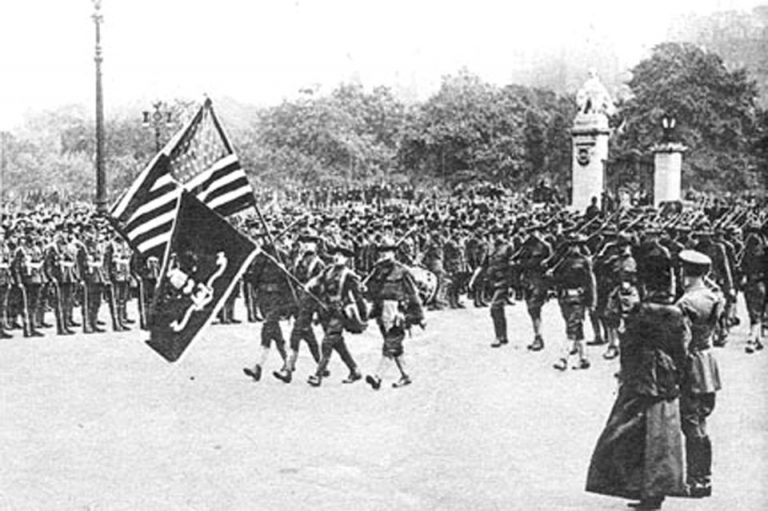
General Pershing and the American army were primarily behind the operations to reduce the St. Mihiel salient, a protruding area of German occupation which crossed a double-track railroad that would normally have served as the main route to supply Verdun. One of the tasks of the 13th Engineers was to rebuild the railroad when the salient was taken (as it was sure to be destroyed by the Germans as they retreated). The salient was almost completely eliminated within four days. It was later revealed that the Germans were preparing to abandon St. Mihiel, but the retaking of the salient was definitely an important victory, spearheaded by the American forces.
This was about to be a period of intense work for the 13th Engineers. Not only would they need to be repairing the railroad lines through the St. Mihiel area, preparations for the final allied offensive operation of the war, to be named the Meuse-Argonne Offensive, were in full gear.
Friday, September 13, 1918
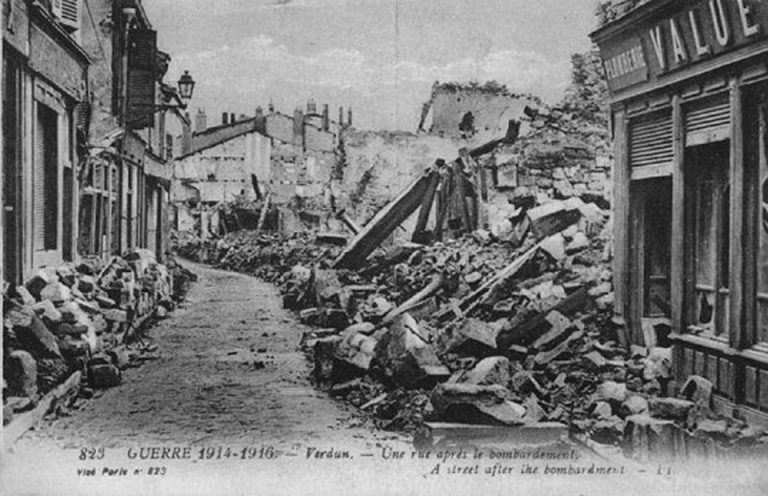
Great attack started at daylight on both flanks. St. Mihiel salient wonderful barrage. Tonight we have almost straightened the hook. Talked to bunch of prisoners tonight. They seem happy. 18,000 prisoners today. Sat on hill all afternoon and watched them shell Verdun.
Saturday, September 14, 1918
Attack fine. Much work. Salient closed now but the attack on the Argonne has not come off yet. Soon though.
Sunday, September 15, 1918
Smithy and I went to Verdun and to the battlefield. Smithy brought home a skull. Shelled us all day long.
Monday, September 16, 1918
Beautiful day. Busy. Dropped 20 bombs on us last night. Wounded some Frenchmen. Went to rampart with big guns, back 9:00 a.m. in side car. My niggers scared to death, too. Several wounded slightly.
Wednesday, September 18, 1918
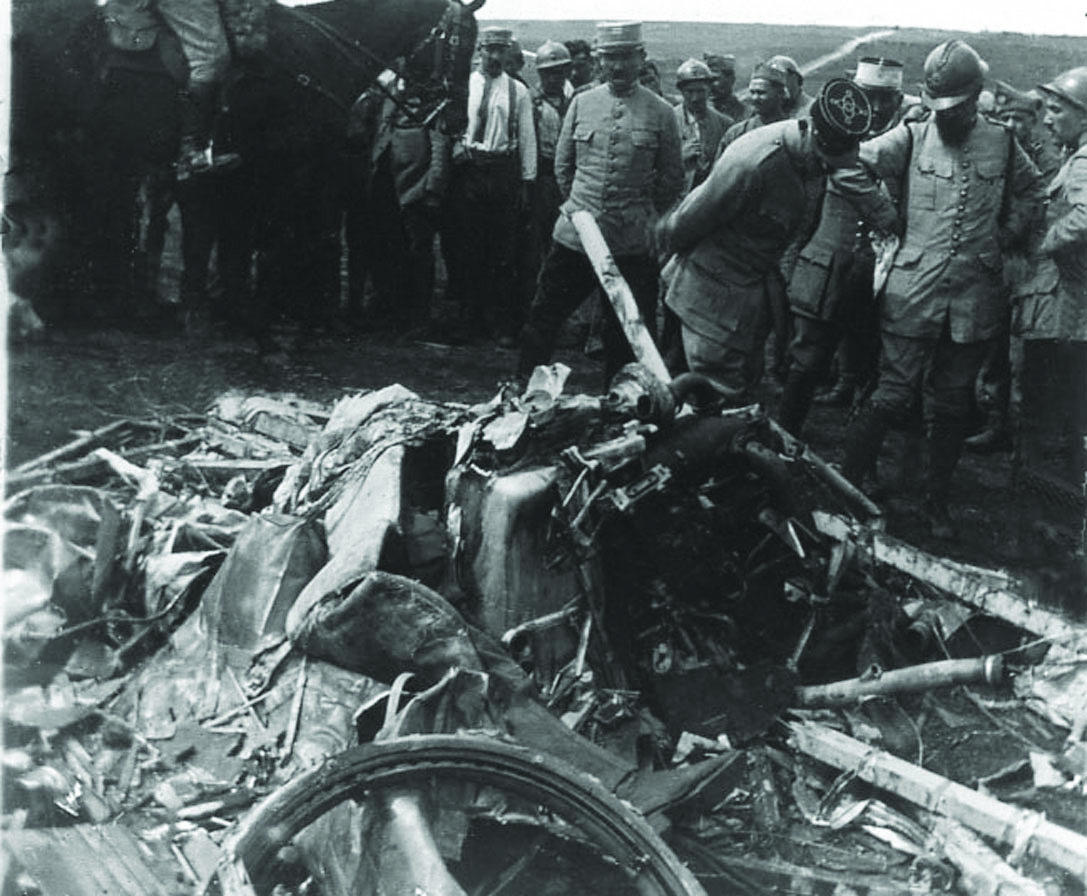
Great air activity. Saw greatest fight in France at 5:00 p.m. between six Americans and one German. Shot him down two miles beyond Verdun, four men in plane. Learned tonight it was armored too. Sure a good scrap and just right distance. Beason shot at the German with rifle when he went over the barracks. Walked to the plane at night, got piece of tail for souvenir.
Thursday, September 19, 1918
Up all night putting a train of tanks for Dombasle. Had bad time. They shelled us so much. Tanks were all French and I rode one to the woods. All set for the attack which should start 29th.
Saturday, September 21, 1918
So much activity, 4th division here. We have put tanks and artillery on front in great quantities. Was up for four days, almost dead. Attack will come this next week I think though cannot tell for certain yet. Yanks here by millions now.
Monday, September 23, 1918
Up all night at rampart. Colonel there. Big congestion all night. Rained like hell too. Working so hard lately.
Tuesday, September 24, 1918
Clear, cold. Bunch Engr. officers got left off 81, going to Froidos. Been up so long unloading tanks.
Wednesday, September 25, 1918
Attack starts tonight I know.
Thursday, September 26, 1918
Barrage at 11:00 p.m. Terrific shakes, one off the ground almost. So intense. Beautiful weather. I hope it keeps up. Looks so good now. Barrage deafening. Everyone feverish today over it all.
On a broad line, from Verdun to the North Sea, a massive allied offensive push started on September 26 with the British, French, Belgian and American armies attacking with 123 divisions, with 57 divisions in reserve. The German army, in its weakened and demoralized condition, gave up positions it had held for over four years, ceding mile after mile in a campaign that had finally broken out of the trenches and resembled a chase of the German forces from France. By the date the Armistice was signed, November 11, the Germans had been pushed well back in to Belgium in the north, and much closer to the Luxembourg and German borders.
Friday, September 27, 1918
Rainy and cold. Americans advanced wonderfully. Fine, fine. Artillery is terrible. Shelled here all afternoon, none close. A Boche shot down 6 of our balloons here in the afternoon. That won’t help much. Weather splendid too.
Saturday, September 28, 1918
Bombardment very heavy all night. Battery here rolls one out of bed when she lets loose. Great air activity. Saw 22 planes in group at 7:00 p.m.
Sunday, September 29, 1918
Got trench fever. Feel rotten. Too much rain and mud. Ache all over. Advance wonderful and end of war looks nearer now than it ever did before. Am going home in 1919 sure.
Monday, September 30, 1918
Sick in bed all day. Feel terrible today, Spanish flu. News from fronts wonderful, should make anybody well.
Thursday, October 3, 1918
Oct. 1, 2, 3 sick in bed, Spanish flu. Rotten. Battle wonderful, Bulgaria quitting now, end in sight soon.
Friday, October 4, 1918
Line ablaze. Verdun to sea. Fine. End is in sight now. Feeling fair today. News would make anyone happy.
Saturday, October 5, 1918
Cold today. News wonderful too. Long line wounded into Souilly. German prisoner killed 2 Americans in lorry and then cut his throat.
Sunday, October 6, 1918
Coons and I ate with French officers. Charlie Lamb spent day with me. All got stewed. Ran Coons home at 10:00 p.m. after he tried to set fire to my bed and poured oil on it. Germany and Austria sue for peace. Look out Wilson.
Monday, October 7, 1918
Central powers ask for peace. Looks like a trap to stop our big drive on Western front. Curious to see text and answer. A trap pure and simple. Enemy is burning Douci and Lille. We must not make peace now.
Tuesday, October 8, 1918
Barrage this morning. Sure don’t look like any peace or armistice.
Wednesday, October 9, 1918
Very cold. Wilson won’t accept terms. Fine. A bunch got off here last night and started to bawl me out about getting off at the wrong place. I asked them if they needed a wet nurse. Barrage is terrible this morning. Great victory. Germany will accept terms by Christmas.
Thursday, October 10, 1918
Woke up with headache. Wish I could feel good again. Seems like I can’t get over this Spanish flu. War news is great though. Ought to get anybody well.
Saturday, October 12, 1918
Cold, cloudy. War news wonderful today too. Kaiser reported to have abdicated too.
Sunday, October 13, 1918
Don and Beck up all day and wiped their muddy feet on my blankets. Just got news at dark that Germany had surrendered. Fine, fine.
Tuesday, October 15, 1918
Rainy. Hope weather don’t stop the campaign. News today good over in Flanders. Foch will give the Kaiser the answer. Wilson must now reply with his demands.
Wednesday, October 16, 1918
Rainy. No news. Pat Regan cut to pieces under engine at east end of yard at 4:30 this morning. Sad, sad. We did all we could for him. Wonderful war news today, the German army is collapsing. Oh if the weather would only stay good.
Friday, October 18, 1918
Wonderful news. Pat will live. Both legs cut off. Back hurt. War news wonderful. Lille gone and Belgian coast hopeless.
Saturday, October 19, 1918
Cloudy, cold. Lille and Ostend have fallen. Wonderful news. No report on answer to Wilson’s note though will probably come out tonight. The army will bring the peace this winter.
Sunday, October 20, 1918
Going down to see Pat today. No answer from Germany yet. News still fine, got five letters this morning from Cecil.
Tuesday, October 22, 1918
Clear and fine. Nothing new.
Wednesday, October 23, 1918
Moved to 4 line. Blockade bad. Conditions terrible. Bombs, shells and gas. Living in stable. One wall fine as long as it don’t rain from the east.
Thursday, October 31, 1918
Oct. 23-31, trying to relieve congestion of railhead at Aubreville and other points. No sleep, two inches of beard and no letters.
Sunday, November 3, 1918
No time past week to write. Beaucoup travail [much work] up at railheads and no sleep. War news wonderful now. Peace is close.
This is the last entry in the diary of E.P. Dudley. The armistice was signed a week later, on November 11, 1918.
In early 1919 Dudley was made trainmaster for the lines operating out of Verdun to the northwest. Headquarters for this operation was at Dun-sur-Meuse, and the ground covered was some which saw the heaviest fighting, particularly by American troups, in the closing weeks of the war. In fact the largest American war cemetery in Europe, the Meuse-Argonne Cemetary, is nearby. The 13th Engineers remained on in France until May 1919, operating the railroads in and around Verdun.